Smart Casual in 2026: What It Means and How to Wear It Right
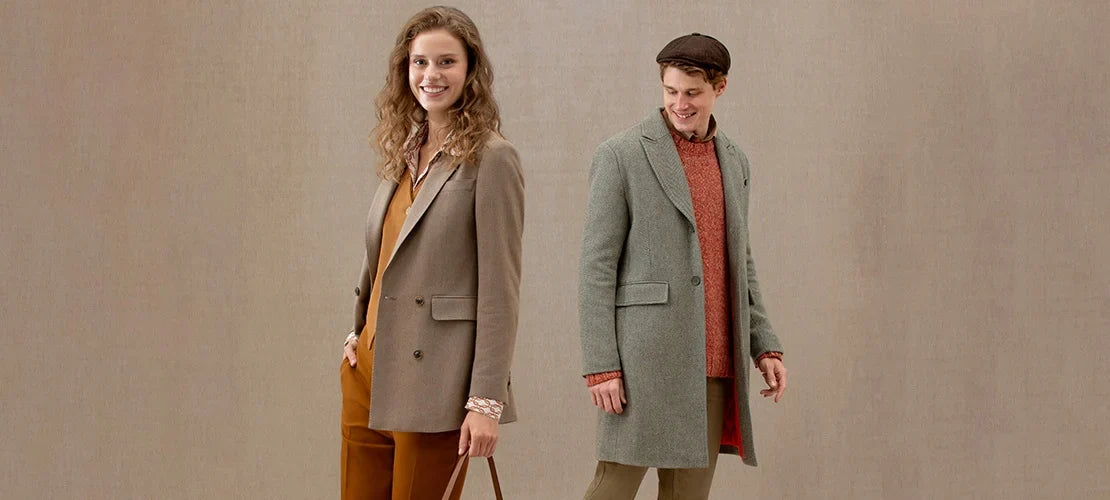
Smart casual is a style philosophy that sits right in the middle of formal and casual dressing, balancing polished pieces like a blazer, a quality shirt, or an elegant dress with relaxed elements such as jeans, chinos, or loafers. In 2026, as hybrid work and dress codes keep loosening across offices and social events alike, smart casual has become the default uniform for anyone who wants to look put-together without overdressing. Putting it into practice is actually quite simple: all you need is one "polished" piece and one "relaxed" piece in your outfit, along with the right balance between the two.
What Does Smart Casual Style Actually Mean?
Smart casual is a style philosophy that blends the structure of formal dressing with the ease of casual wear. The goal is neither the full seriousness of a suit nor a completely sporty look; instead, it strikes a cleverly crafted balance between the two.
What Is the Core Logic Behind Smart Casual?
At the heart of this style lies a simple yet effective formula: every outfit combines at least one "polished" piece with at least one "relaxed" piece.
- Polished pieces: blazer, tailored trousers, shirt, leather shoes
- Relaxed pieces: jeans, sneakers, knit sweater, t-shirt
For example, wearing jeans under a blazer or pairing tailored trousers with sneakers are among the most classic applications of smart casual.
Which Settings Is This Style Ideal For?
| Setting | Why It Works |
|---|---|
| Offices with a mixed dress code | Offers a look that is both professional and comfortable |
| Business dinners | Maintains a sense of seriousness without being dull |
| Wedding invitations | Gives off a stylish yet understated vibe |
| Social events around town | Combines comfort and elegance at once |
When done right, smart casual gives you a look that feels both dependable and effortless. You're never overdressed nor overly casual; you hit that ideal balance right in between.
What Is the Difference Between Smart Casual and Business Casual?
The two concepts most often confused when planning a wardrobe are business casual and smart casual. Although both sit along a semi-formal line, the level of comfort they offer differs quite significantly. Business casual aims for a neat, cautious look suited to a corporate office atmosphere, while smart casual allows for much more flexibility in everyday life. It lets you incorporate relaxed pieces like jeans and sneakers without compromising on style.
A Table Showing the Differences Between the Styles
The table below clearly summarizes the differences between smart casual, business casual, and classic casual:
| Style | Top | Bottom | Shoes |
|---|---|---|---|
| Smart Casual | Blazer, quality shirt, lightweight sweater | Jeans, chinos, midi skirt | Loafers, chelsea boots, clean sneakers |
| Business Casual | Jacket, shirt, blouse | Tailored trousers, classic skirt | Classic shoes, heels |
| Casual | T-shirt, sweatshirt | Jeans, shorts | Sneakers, sandals |
Which Style Should You Choose, and When?
- For corporate meetings and traditional office settings, business casual is the safer choice.
- For invitations, dinners, and creative work environments, smart casual gives you much more freedom.
In short, smart casual offers a much more personal and creative space than business casual; you're free to combine pieces that reflect your own style. If you want to make the most of this flexibility, you might look for an inspiring starting point to find the right pieces.
How Do You Put Together Smart Casual Outfits for Women?
At the heart of women's smart casual style lies the art of bringing contrasting pieces together in harmony. Here are the most practical and stylish combinations for 2026:
The Classic Duo: Blazer and Jeans
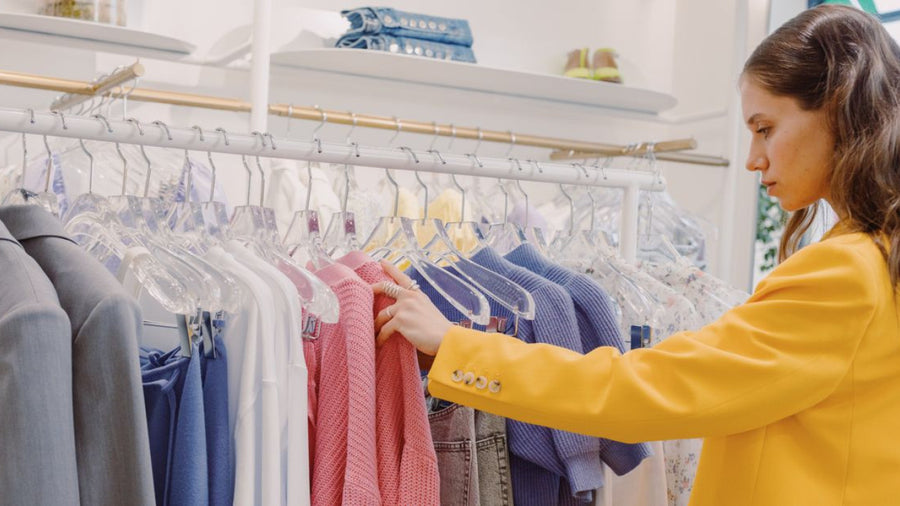
A blazer paired with straight-cut jeans is one of the most classic and foolproof combinations in women's smart casual style. This duo works just as well in the boardroom as it does at dinner.
Layering Over a Dress
Adding a light jacket or a kimono over a midi dress instantly turns a single piece into a look that's both stylish and relaxed. This is the easiest way to get multiple outfits out of just one dress.
Shirt Combinations
A shirt paired with a midi skirt or tailored trousers is a practical choice that can transition effortlessly from the office to an evening out.
| Outfit | Best Suited For |
|---|---|
| Blazer + Jeans | After-work meetups, daytime meetings |
| Dress + Kimono | Lunch, semi-formal invitations |
| Shirt + Midi Skirt | Office, evening events |
Choosing Accessories and Colors
- When it comes to accessories, a leather bag and an elegant watch can elevate even the simplest outfit on their own.
- Keeping your color palette in neutral tones (beige, black, sand, navy) makes it easy for pieces to mix and match, making your wardrobe far more versatile.
Finding the right pieces as you build your own smart casual wardrobe brings you one step closer to your goal.
How Should Men Apply Smart Casual Style?
For men, smart casual is all about striking the right balance between formality and comfort. Here are the most practical ways to achieve that balance:
The Basic Combination: Chinos and a Shirt
The chinos-and-button-down-shirt combination is the safest starting point for men's smart casual style. This duo works well both in the office and for evening get-togethers.
Layering with a Blazer
Pairing a blazer with a t-shirt or polo shirt adds a relaxed feel without breaking the sense of formality. This combination works especially well for after-work invitations.
Layering Sweaters and Shirts
Wearing a shirt collar over a sweater or lightweight knit creates a look that's both stylish and layered. Popular in the fall and winter months, this method offers warmth and style at the same time.
| Combination | Suitable Setting |
|---|---|
| Chinos + Shirt | Office, everyday get-togethers |
| Blazer + Polo Shirt | Dinners, invitations |
| Sweater + Shirt Collar | Winter meetings, strolling around town |
Balancing Accessories and Details
- Choosing simple, quality materials for accessories like belts, watches, and glasses are small but effective details that complete the overall look.
- Avoiding overly patterned or shiny fabrics is the easiest way to preserve the balanced, timeless spirit of smart casual.
If you're looking for inspiration to bring the right pieces together, browsing smart casual men's outfits that fit today's trends can give you some ideas.
Which Shoes Should Be Chosen for Smart Casual Outfits?
Shoes are the most critical part of a smart casual outfit, because the detail that can either balance out the whole look or throw it off in an instant is usually the choice of footwear. The right model should offer an elegant look without ever sacrificing comfort.
Which Models Stand Out?
- Loafers and moccasins are among the most popular shoe types in both women's and men's smart casual outfits.
- Chelsea boots offer a stylish yet practical alternative, especially during the fall and winter months.
- Clean, simply designed white sneakers can also be incorporated into smart casual looks; however, overly sporty, chunky-soled models should be avoided.
- For women, classic mid-heel shoes are an elegant option that completes dress and skirt combinations.
What Should You Pay Attention to When Choosing Shoes?
When choosing shoes, you should look for a match with the comfort level of the other pieces in your outfit; an overly formal shoe can create an unbalanced look when paired with relaxed jeans.
| Shoe Type | Best Paired With | Season |
|---|---|---|
| Loafers / Moccasins | Chinos, blazer | Year-round |
| Chelsea Boots | Wool trousers, sweater | Fall-Winter |
| White Sneakers | Jeans, shirt | Spring-Summer |
| Mid-Heel Shoes | Dress, skirt | Year-round |
How Does Smart Casual Style Change with the Seasons in 2026?
Smart casual isn't a fixed formula; the fabrics and layers you choose should shift with the weather while keeping the same polished-meets-relaxed balance. Here's how to adapt the style across the year.
What Should You Wear for Spring and Summer?
In warmer months, lightweight linen blazers, unstructured cotton shirts, and breathable chinos keep the look sharp without feeling heavy. Pastel and sand tones dominate spring-summer 2026 palettes, and swapping leather loafers for suede or canvas versions keeps the outfit airy.
What Should You Wear for Fall and Winter?
Cooler months call for wool blazers, fine-gauge knitwear, and heavier cotton or corduroy trousers. Layering a turtleneck under a blazer or topping an outfit with a tailored overcoat adds warmth while keeping the silhouette clean. Chelsea boots and suede loafers are the season's most reliable footwear choices.
| Season | Key Fabrics | Recommended Layers |
|---|---|---|
| Spring | Linen, cotton poplin | Unlined blazer, light shirt |
| Summer | Linen, seersucker | Short-sleeve shirt, unstructured jacket |
| Fall | Wool blends, corduroy | Knit sweater, blazer |
| Winter | Wool, cashmere | Turtleneck, overcoat |
Where Should You Wear Smart Casual Style?
Smart casual is a flexible style that adapts to your surroundings, which is why knowing where you're headed is the first step in choosing the right outfit.
Business Meetings and Client Get-Togethers
Business meetings and client get-togethers are among the most common settings where smart casual is used, and with hybrid work now standard across most industries in 2026, it has effectively replaced the traditional suit as the go-to office standard. Here, your goal is to appear both dependable and approachable; that's why it's best to steer clear of an overly formal suit and opt for well-tailored pieces instead.
Invitations and Events That Specify "Smart Casual"
For weddings or invitations that specify a "smart casual" dress code, pieces like a blazer, dress, or tailored trousers are a safe choice. For events like these, it's best to go for an elegant, put-together look rather than something overly experimental.
Social Life and Weekend Wear
This style is also ideal for restaurant dinners and social events around town for those who want to look both stylish and comfortable. For weekend outings around the city or meetups with friends, you can make smart casual feel more casual with simpler pieces, such as adding sneakers.
| Setting | Recommended Pieces |
|---|---|
| Business meeting | Blazer, shirt, tailored trousers |
| Invitation | Dress, blazer, elegant shoes |
| Restaurant/dinner | Elegant top, tailored trousers or skirt |
| Weekend outing | Blazer, sneakers, simple t-shirt |
Discovering which outfit suits which setting as you bring the right pieces together is one of the most enjoyable ways to bring smart casual style into your everyday life.
What Are the Most Common Smart Casual Mistakes to Avoid?
Even a well-planned wardrobe can miss the mark if a few key details are overlooked. Knowing the most frequent mistakes helps you fine-tune your outfit before you walk out the door.
Which Fit Issues Ruin a Smart Casual Look?
- Oversized blazers or trousers immediately read as sloppy rather than relaxed; a tailored fit is non-negotiable in smart casual dressing.
- Skinny-fit trousers paired with a boxy blazer create an unbalanced silhouette; proportions should complement each other.
Which Piece Choices Tip the Balance Too Far?
- Going too formal: a full suit with a tie reads as overdressed for most smart casual settings.
- Going too casual: gym wear, flip-flops, or heavily distressed denim break the polished-relaxed balance entirely.
- Mismatched formality levels: pairing a tuxedo shirt with sneakers, for instance, confuses the eye rather than balancing it.
Avoiding these missteps is often just as important as choosing the right pieces in the first place.
What Should You Keep in Mind When Building a Smart Casual Wardrobe?
The point most often overlooked when building a smart casual wardrobe is choosing the right pieces rather than accumulating a lot of them. Here are the key points to keep in mind:
Why Does Fabric Quality Matter So Much?
Investing in quality fabrics ensures that smart casual pieces last longer and look sharper. Cheap fabrics that don't hold their shape can make even the best-cut piece look sloppy.
How Should You Choose Your Color Palette?
Choosing neutral, coordinating colors allows you to create numerous outfits from just a few pieces. Shades like navy, beige, gray, and white complement each other, simplifying your wardrobe.
Which Pieces Form the Backbone of the Wardrobe?
- Blazer – serves as a bridge between formal and casual outfits
- Quality shirt – can be worn on its own or layered
- Straight-cut trousers – offer a look that's both stylish and comfortable
- A few essential shoe models – adapt to different settings
Do Accessory Details Make a Difference?
Paying attention to accessory details like watches, belts, and bags can elevate even the simplest outfits into something special. The right choice of accessories adds character even to the most minimal looks.
How Much Should You Budget for Smart Casual Pieces?
Rather than chasing a single price point, think in terms of cost-per-wear: a well-made blazer or a pair of leather loafers worn dozens of times a season is a better investment than several trend pieces worn once. Building the wardrobe gradually, prioritizing versatile basics first and adding statement pieces later, keeps both your budget and your closet under control.
For those who want to discover the right pieces all in one place, with up-to-date seasonal options, a shopping destination where you can browse products suited to smart casual outfits offers a highly convenient solution.
Frequently Asked Questions
What is smart casual style exactly?
Smart casual is a dress code that blends polished, formal pieces with relaxed, everyday clothing. It typically means pairing items like blazers or button-down shirts with chinos or dark jeans, avoiding both overly formal suits and overly casual sportswear. The goal is to look put-together without seeming stiff or overdressed.
What should men wear for a smart casual outfit?
Men can pair a blazer or sport coat with a collared shirt and tailored chinos or dark denim, finished with leather loafers or clean sneakers. A knit sweater over a shirt with trousers also works well for cooler weather. Avoid sneakers with obvious logos, graphic tees, or athletic wear to keep the look sharp.
What is a good smart casual outfit for women?
A great option is tailored trousers or a midi skirt paired with a silk blouse or fitted knit top, topped with a structured blazer. Dresses with a denim or leather jacket and ankle boots also strike the right balance. Keep accessories minimal and choose clean, closed-toe shoes rather than flip-flops or heavy sneakers.
Can jeans be considered smart casual?
Yes, dark, well-fitted jeans without rips or excessive distressing can work in a smart casual outfit. Pair them with a blazer, button-down shirt, or structured top and polished shoes to elevate the look. Avoid overly baggy fits or light-wash denim, as these tend to skew too casual for most smart casual settings.
What should I avoid wearing in a smart casual dress code?
Steer clear of gym wear, flip-flops, graphic t-shirts, and overly wrinkled or baggy clothing, as these read as too casual. On the other end, full suits with ties or formal gowns are usually too dressy for this code. The key is balancing structure and comfort, so aim for clean lines and quality fabrics without going full formal.
How many pieces do I really need for a smart casual wardrobe?
A functional smart casual wardrobe can start with as few as eight to ten pieces: two blazers, three shirts, two pairs of trousers, one pair of dark jeans, and two pairs of versatile shoes. Choosing neutral, coordinating colors lets these pieces be mixed and matched into dozens of different outfits, which is far more practical than buying many disconnected items.