
Top 10 Sunscreen Recommendations for 2026
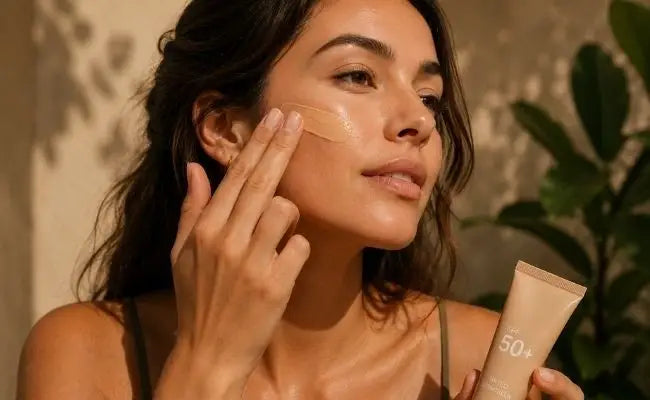
Among the standout sunscreens of 2026 are products that set themselves apart with high SPF protection, a lightweight texture, and formulas tailored to specific skin types. Oily skin benefits from mattifying formulas, while dry skin benefits from moisturizing ones. To make the right choice, it helps to look at both the SPF value and the UVA/UVB protection ratio.
What Should You Pay Attention to When Choosing a Sunscreen?
Choosing the right sunscreen isn't just about brand or price; it's about finding the formula that suits your skin's needs and lifestyle. Here are the criteria you should consider before making a purchase:
What Should the SPF Value Be?
SPF 30 is sufficient for daily use, while SPF 50 should be preferred for intense sun exposure situations such as beach outings, mountain trips, or sports. Lower SPF values may fall short during prolonged outdoor activities.
Why Is Broad-Spectrum Protection Important?
An effective sunscreen should protect against both UVA and UVB rays. If the packaging doesn't state "broad spectrum," we recommend avoiding the product; otherwise, your skin may remain unprotected against UVA rays, which are invisible but just as harmful as UVB rays.
Choosing the Right Texture for Your Skin Type
| Skin Type | Recommended Texture |
|---|---|
| Oily skin | Gel-based, matte finish |
| Dry skin | Moisturizing cream |
| Combination skin | Lightweight lotion |
Why Should Water and Sweat Resistance Be a Criterion?
For those who swim or exercise, water- and sweat-resistant formulas are essential. These types of products maintain their effectiveness longer and reduce the need for frequent reapplication.
What Should Be Considered for Sensitive Skin?
- Prefer products with a low alcohol content
- Consider fragrance-free or low-fragrance options
- Always check the ingredient list to avoid the risk of allergic reactions
Which Sunscreen Should Be Preferred for Oily and Combination Skin?
When it comes to oily and combination skin, choosing a sunscreen requires a bit more care compared to other skin types. A product with the wrong texture can invite issues such as shine and clogged pores throughout the day. That's why it's worth paying attention to the formula's ingredients and texture.
Which Formulas Stand Out?
- Gel-based formulas: Support oil control with their mattifying effect, providing protection without weighing down the skin.
- Products labeled non-comedogenic: These formulas don't clog pores, reducing the risk of acne and blackheads.
- Sunscreens containing niacinamide: They provide UV protection while also supporting skin balance and reducing redness.
How Should It Be Used Under Makeup?
If you're going to wear makeup, you should opt for lightweight, fast-absorbing textures. Heavy, oily creams can cause makeup to slide off or become patchy.
| Skin Need | Recommended Texture |
|---|---|
| Oil control | Gel-based, mattifying |
| Acne-prone | Non-comedogenic |
| Skin balance | Niacinamide-containing |
| Use under makeup | Lightweight, fast-absorbing |
Reviewing different brands' skin-type-specific lines to find the right texture will help you make your decision.
Which Sunscreen Is Best Suited for Dry and Sensitive Skin?
If you have dry or sensitive skin, you need to pay attention to the formula's texture as much as its ingredients when choosing a sunscreen. You're looking for a product that protects your skin from the sun while also moisturizing it and minimizing the risk of irritation.
Which Ingredients Should Be Your Priority?
- Formulas containing hyaluronic acid and ceramides support the skin's moisture barrier, providing all-day comfort.
- Fragrance-free, mineral-filter products significantly reduce the risk of redness and irritation on sensitive skin.
- Cream-based textures offer longer-lasting hydration compared to gels or sprays.
What Should You Do If You Have Conditions Like Rosacea or Eczema?
If your skin has rosacea, eczema, or similar sensitivity issues, it's beneficial to choose products labeled "dermatologist-approved" on the packaging. Such products typically contain fewer potentially irritating substances and are formulated to reduce the risk of allergic reactions.
When choosing the right sunscreen for dry and sensitive skin, carefully evaluating both the protection factor and the ingredient list makes a difference for your skin's health in the long run.
What Are the Top 10 Sunscreen Recommendations for 2026?
Finding the right formula based on your skin's needs makes a difference in both protection and comfort when choosing sunscreens. Here are the standout categories for 2026 and the most notable features within them:
High-SPF, Broad-Spectrum Creams for the Face
Lightweight formulas offering SPF 50+ and broad-spectrum protection are ideal for daily use on the face. These products typically provide a mattifying effect without disrupting oil balance.
Waterproof, Fast-Absorbing Lotions for the Body
Waterproof formulas should be preferred for beach and pool days; fast-absorbing lotion textures eliminate the sticky feeling.
Hypoallergenic, Mineral-Filter Lines for Children
For sensitive skin, mineral-filter, fragrance-free, and dermatologically tested special lines should be preferred.
Tone-Evening Creams That Can Be Used Over Makeup
For those who want to refresh their look throughout the day, tone-evening formulas that provide light coverage are a practical solution.
Sweat-Resistant Formulas for Sports and Outdoor Activities
Sweat- and water-resistant formulas that don't run during intense activity suit an active lifestyle.
Comparison Table by Skin Type
| Skin Type | Standout Feature | Recommended SPF |
|---|---|---|
| Oily Skin | Matte finish, oil-free | 50+ |
| Dry Skin | Moisturizing, nourishing ingredients | 30-50 |
| Sensitive Skin | Mineral filter, fragrance-free | 50+ |
| Combination Skin | Lightweight texture, fast-absorbing | 30-50 |
Discovering the right formula for your skin type is one of the most important steps in your skincare routine.
Sunscreen Comparison Table by Skin Type
The most commonly overlooked detail when choosing a sunscreen is not selecting the formula suited to your skin type. Choosing the wrong texture can both prevent your skin from breathing and reduce protective effectiveness. The table below was prepared to help you quickly compare which sunscreens are best suited to which skin type.
| Skin Type | Recommended Texture | SPF Range | Standout Ingredient |
|---|---|---|---|
| Oily/Combination | Gel, mattifying | SPF 30-50 | Niacinamide, oil-free |
| Dry | Cream, lotion | SPF 30-50+ | Hyaluronic acid, ceramide |
| Sensitive | Mineral, fragrance-free | SPF 50 | Zinc oxide, titanium dioxide |
| Normal | Lightweight lotion | SPF 30-50 | Antioxidants, vitamin E |
How to Determine the Right Product for Your Skin Type?
When evaluating the data in the table, we recommend paying attention to the following points:
- For oily and combination skin, gel-based, oil-free formulas prevent shine.
- Dry skin is both protected and nourished with moisturizing creams.
- For sensitive skin, mineral-filter, fragrance-free options reduce the risk of irritation.
- Normal skin can make a flexible choice from a wide range of products.
Once you correctly identify your skin type, choosing a sunscreen becomes a much more accurate and enjoyable process.
When and How Should Sunscreen Be Applied?
For sunscreen to fully demonstrate its protective effect, proper timing and the right amount are essential. You only need to follow a few simple rules to step out confidently.
What Should the Application Timing Be?
- Apply sunscreen at least 20 minutes before going outside; this amount of time is necessary for the formula to be absorbed by the skin and form a protective barrier.
- Don't forget to reapply every 2 hours, especially if you're spending long periods outdoors.
- After swimming in the sea or pool, be sure to reapply after towel-drying; water and sweat weaken the protective layer.
How Much Sunscreen Is Enough?
Most people use far less sunscreen than they should. Applying about one teaspoon's worth of product to the face is recommended to ensure effective protection. For the body, this amount increases significantly.
Is Sunscreen Only Necessary in the Summer?
No. UV rays reach your skin even on cloudy days and during winter months; that's why sunscreen shouldn't be thought of as a product exclusive to summer. Incorporating sunscreen into your daily skincare routine year-round makes a difference for your skin's health in the long term.
Where Should You Buy the Right Sunscreen?
Just as important as choosing the right sunscreen is where you obtain it, which matters greatly for your skin's health. Although there are countless brands and points of sale on the market, choosing the right source ensures both effective protection and a safe shopping experience.
What Should You Pay Attention to Before Purchasing?
- Authenticity and expiration date: To ensure the protection factor of sunscreens doesn't lose its effectiveness, it's essential that the product is authentic and has a clear expiration date.
- Suitability for your skin type: You need to carefully review product descriptions to find the right formula for your oily, dry, or sensitive skin.
- Price-performance balance: Following promotional periods can help you acquire a quality sunscreen that fits your budget.
For a Reliable and Practical Shopping Experience
If you're looking for sunscreen and accessory recommendations to complete your skincare routine, you can check out The Clique's current collection; this way, you'll have the opportunity to compare products suited to your needs all in one place.
Additionally, thanks to fast shipping and easy return options, you can risk-free try products you didn't like or that weren't suitable for your skin, and easily find the formula that makes you feel your best.
Frequently Asked Questions
What SPF level is best for daily sunscreen use?
For everyday use, dermatologists recommend at least SPF 30, which blocks about 97% of UVB rays. If you spend extended time outdoors or live in a sunny climate, SPF 50 offers extra protection. Always reapply every two hours regardless of the SPF level.
What is the difference between chemical and mineral sunscreens?
Chemical sunscreens absorb UV rays and convert them into heat, while mineral sunscreens (zinc oxide or titanium dioxide) sit on the skin and reflect UV rays. Mineral formulas are generally gentler for sensitive skin, while chemical ones tend to feel lighter and blend in more easily. Both types are effective when applied correctly and reapplied regularly.
How much sunscreen should I apply to my face and body?
For the face, about a nickel-sized amount (roughly half a teaspoon) is recommended, while the entire body typically needs about one ounce, or a full shot glass worth. Using less than this reduces the actual SPF protection you receive. Applying generously and evenly ensures the product performs as tested.
Can I use last year's sunscreen, or does it expire?
Most sunscreens remain effective for up to three years if stored properly away from heat and direct sunlight, and unopened bottles usually list an expiration date. However, if the texture separates, changes color, or smells different, it's best to replace it. Using expired sunscreen may not provide reliable UV protection.
Which sunscreen texture is best for oily or acne-prone skin?
Gel-based or fluid sunscreens labeled 'oil-free' or 'non-comedogenic' work best for oily and acne-prone skin, as they absorb quickly without clogging pores. Mineral sunscreens with a matte finish can also help control shine throughout the day. Avoid heavy, cream-based formulas that may increase breakouts.