What to Know When Choosing Wedding Dresses
The right wedding guest dress comes together when the cut, color, and fabric align with the timing of the event, the venue, and your body type. Evening celebrations call for sequins, draping, and darker tones, while daytime weddings favor pastel colors and lightweight fabrics. As for shades associated with the bride—white, cream, and ivory—you should always steer clear of these.
What Should You Pay Attention to When Choosing a Wedding Guest Dress?
Choosing the right wedding guest dress isn't just about looking stunning; it also means being appropriate for the conditions of the event. Here are the key criteria that will keep you comfortable and stylish on the big day:
Is the Wedding During the Day or at Night?
Your choice of color and fabric for the dress should be shaped by the timing of the event:
| Time of Event | Recommended Color/Fabric |
|---|---|
| Daytime | Light tones, cotton or linen fabrics |
| Evening | Dark tones, satin, velvet, or embroidered fabrics |
How Should You Choose Shoes and Dresses Based on the Venue?
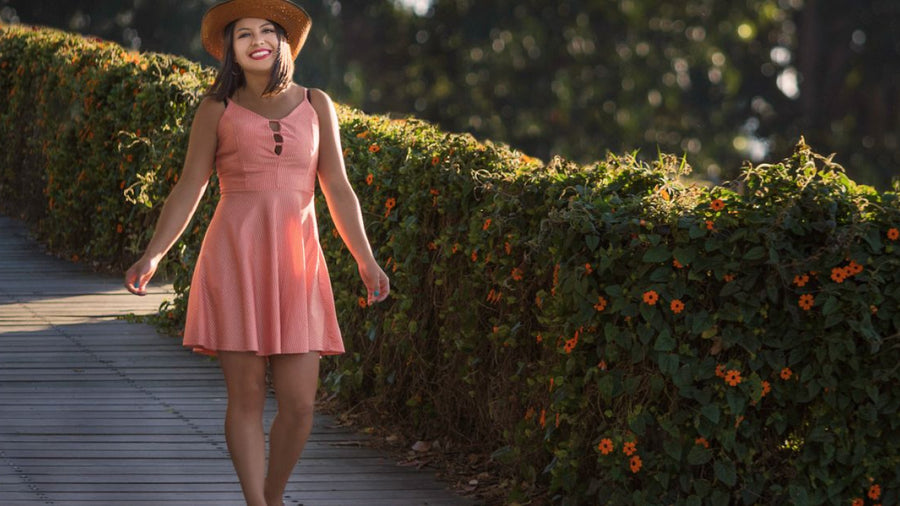
- Garden wedding: Opt for sandals or wedge heels whose heel won't sink into the grass.
- Ballroom wedding: Elegant heels and longer, flowing cuts are ideal.
- Beach wedding: Lightweight fabrics and flat soles or low heels enhance comfort.
Why Is Comfort as Important as Style?
A dress that feels comfortable both when seated and standing makes a huge difference during hours-long celebrations. If you'd like some inspiration on this topic, you can check out wedding guest outfit suggestions.
Colors to Avoid
Steering completely clear of the bride's colors—white, cream, and ivory—is the most fundamental rule of guest etiquette. For alternatives that reflect your own unique style, you can browse The Clique's wedding guest dress collection.
Which Wedding Guest Dress Style Suits Your Body Type?
Choosing a cut that suits your body type directly affects how the wedding guest dress looks on you. The table below will give you a quick idea:
| Body Type | Recommended Cut | What to Watch Out For |
|---|---|---|
| Apple | A-line, empire waist, V-neck | Avoid belts that cinch the waist area |
| Pear | Detailed top, simple mermaid cut on the bottom | Be careful with lace details that add volume to the hip area |
| Rectangle | Draped, belted, or asymmetric cuts | Straight-cut dresses may not create the illusion of curves |
| Hourglass | Body-hugging, waist-defining styles | Overly loose cuts can hide your natural shape |
How Does Height Affect Your Choice of Cut?
- If you're petite, high-waisted and V-neck cuts can make you look taller.
- If you're tall, flounced skirts or layered designs can add movement to your silhouette.
Don't hesitate to try different cuts to find the right silhouette; especially if you're looking for a tall, elegant look, checking out long women's dress styles can give you some ideas. Browsing The Clique collections makes it easier to find the wedding guest dress that best suits your body type and pick the style that flatters you most.
Which Colors Should You Choose for a Wedding Invitation?
When choosing wedding guest dresses, color choice is one of the most critical factors that determines the overall mood of your outfit. The right color makes it easier to match the concept of the event while also achieving an elegant look.
Which Weddings Call for Dark and Classic Tones?
Dark tones like navy, burgundy, and emerald green stand out as both stylish and safe choices. These colors offer a particularly striking presence at evening events. Black, meanwhile, has become a classic color for formal and evening weddings; with its simplicity, it always retains its elegance and is rarely the wrong choice.
Which Colors Are Suitable for Daytime and Garden Weddings?
Pastel tones and light colors provide a fresh look for daytime or garden-themed weddings. In harmony with natural light, these colors help reflect the intimate atmosphere of the event.
| Type of Wedding | Recommended Colors |
|---|---|
| Evening / Formal | Black, navy, burgundy |
| Daytime / Garden | Pastel tones, light colors |
| Themed Events | Color code set by the host |
If the host has set a specific theme or color code, sticking to it adds an extra layer of elegance to your look. When planning your color choice based on the timing, venue, and theme of the event, checking out wedding guest outfit suggestions can be a helpful guide. To complete your outfit, you can discover the option that suits you best among wedding guest dresses and accessory options.
Sequins, Draping, or Strapless? How Should You Choose Details and Fabric?
Among wedding guest dresses, the most confusing point when making a choice is usually the details and fabric. In fact, the right answer is shaped by the timing, season, and your personal style.
Which Detail Suits Which Wedding?
- Sequined and beaded details: Offer a sparkling, eye-catching look, especially for evening weddings.
- Draped cuts: Wrap the body in soft lines, creating both a stylish and comfortable silhouette.
- Strapless and thin-strap styles: Provide both a cooling effect and elegance for summer weddings.
- Long-sleeved and high-neck designs: Offer a practical solution for autumn-winter weddings; if you're after an elegant, elongated look, you can check out the long women's dresses collection.
- Slit and mermaid-cut styles: An ideal choice for those who want freedom of movement combined with elegance.
Detail-Fabric Table by Season
| Season / Time | Recommended Detail | Fabric Preference |
|---|---|---|
| Summer Weddings | Strapless, thin straps | Chiffon, satin blend |
| Winter Weddings | Long sleeves, high neck | Crepe, velvet |
| Evening Events | Sequined, beaded | Embroidered tulle |
| Daytime Events | Draped, simple | Lightweight chiffon |
Whichever detail you choose, not overlooking comfort and freedom of movement is the key to feeling at ease throughout the rest of the night.
How Should Modest-Dressing Guests Choose a Wedding Guest Dress?
As a modest-dressing wedding guest, it's entirely possible to both adhere to modesty guidelines and not compromise on style when choosing a dress. With the right fabric, cut, and color choices, you can attend the event looking both appropriate and eye-catching.
Which Fabrics Should Be Preferred?
Flowing fabrics like chiffon and crepe are among the most preferred materials for modest dresses. These fabrics cover the body's curves for proper modesty while still allowing you to dance comfortably. They also reflect light softly, giving the dress an elegant sense of movement.
What Should the Cut and Neckline Details Be Like?
- Long-sleeved designs fully cover the arms, meeting modesty requirements without sacrificing style.
- High-neck details offer both a modern look and comfortable coverage.
- Layered outfits create both a modern and stylish silhouette by adding trousers or a long skirt underneath.
What Should You Consider When Choosing Colors and Patterns?
When it comes to choosing colors and patterns, opting for simple yet elegant tones that match the theme of the event is always the right approach. Instead of overly bright or flashy patterns, solid colors or subtly embroidered fabrics leave a more stylish impression in modest wedding outfits. For proper outfit suggestions, it will be helpful to check out outfit ideas suitable for wedding invitations. If you'd like to discover the season's standout designs, you can browse the modest wedding guest dress collection.
How Should You Complete Your Outfit with Accessories and Shoes?
When choosing wedding guest dresses, the details that complete your outfit determine your comfort just as much as your appearance. The right balance of accessories and shoes is the key to reflecting elegance without overdoing it.
How Do You Strike a Balance When Choosing Jewelry?
When the dress itself is detailed, simple jewelry works best; with simple dresses, bold accessories create balance. With an embroidered, lace, or sequined dress, small earrings and a thin bracelet are enough; a plain, minimalist dress, on the other hand, can be paired with statement earrings or an eye-catching necklace.
How Does Shoe Choice Change Based on the Venue?
For weddings taking place in a garden or on grass, choosing platform or wedge heels instead of thin heels offers practicality. This way, you'll stay comfortable throughout the day and eliminate the risk of your heels sinking into the ground.
| Venue Type | Recommended Shoes |
|---|---|
| Garden / Grass Area | Platform or wedge heels |
| Ballroom / Indoor | Thin heels, satin sandals |
| Beach / Open Area | Low heels, thick soles |
Why Are Complementary Pieces Important?
- Pieces like a clutch bag, shawl, or bolero not only provide protection against cooler weather but also add depth to your outfit.
- Choosing your hair and makeup based on the neckline and level of detail in your dress creates overall cohesive style.
If you'd like some inspiration for wedding guest attire, you can check out wedding guest outfit suggestions, and browse The Clique collection to confidently complete your look.
What Should You Pay Attention to Regarding Budget, Shipping, and Returns When Buying a Wedding Guest Dress?
When choosing wedding guest dresses, you need to carefully plan not just the design, but also your budget, the delivery process, and return conditions. Keep the following points in mind to make the right investment.
How Do You Balance Price and Quality According to Your Budget?
Comparing models across different price ranges to evaluate both fabric quality and cut details allows you to make the right investment. A cheap option isn't always the most cost-effective; quality stitching and fabric directly affect both how the dress sits and how long it lasts.
| Budget Range | Expected Features |
|---|---|
| Budget-Friendly | Simple cut, blended fabric |
| Mid-Range | Embroidered details, balanced quality |
| Premium | Special fabric, fine craftsmanship |
What Should You Watch Out for During Shipping?
- Place your order at least a few days before the wedding date to give yourself a buffer against possible shipping delays.
- Keep checking your tracking number to closely monitor the delivery process.
Why Are Return and Exchange Conditions Important?
Carefully review the size chart and make sure to check the return and exchange conditions before placing your order. This way, even if you experience a sizing mismatch, you'll have a better chance of finding a quick solution. You can get inspiration from our guide on choosing wedding guest attire to determine a style that suits you.
You can browse The Clique collection to see the season's standout styles and personalized style suggestions, and make a choice that's uniquely yours.
Frequently Asked Questions
How far in advance should I order my wedding dress?
Most bridal shops recommend ordering your wedding dress 6 to 9 months before the wedding date. This allows enough time for the dress to be made, shipped, and altered to fit perfectly. If you're buying off the rack, you may be able to shop closer to the date, but always leave time for fittings.
What silhouette of wedding dress is best for my body type?
A-line and ball gown silhouettes tend to flatter most body types by cinching the waist and flowing outward. Mermaid and fitted styles work best for hourglass figures, while empire waist dresses suit those wanting a more relaxed fit. Trying on multiple styles in person is the best way to see what feels and looks right for you.
How much should I budget for a wedding dress?
Wedding dress budgets vary widely, but many brides spend between 10 to 15 percent of their total wedding budget on the dress. Don't forget to factor in extra costs like alterations, accessories, and preservation, which can add several hundred dollars. Setting a clear budget before shopping helps narrow down options and avoid overspending.
What fabric is best for an outdoor summer wedding dress?
Lightweight fabrics like chiffon, organza, and crepe are ideal for outdoor summer weddings because they breathe well and move gracefully in the heat. Heavier fabrics such as satin or thick lace can feel uncomfortable in warm weather and may cause overheating. Choosing a breathable fabric also helps the dress hold its shape better during an outdoor ceremony.
How many alterations does a wedding dress usually need?
Most wedding dresses require two to three fitting appointments to achieve the perfect fit, including adjustments to the hem, bust, and waist. The final fitting usually happens two to three weeks before the wedding to accommodate any last-minute changes in body shape. Working with an experienced seamstress ensures the dress fits comfortably and looks flawless on the big day.