How to Choose the Right Watch for Your Wrist Size

To choose the right watch for your wrist size, you first need to measure your wrist in centimeters, then identify the case diameter range that corresponds to that measurement. As a general rule, narrow wrists (14-16 cm) should opt for 32-36 mm cases, medium wrists (16-18 cm) for 36-40 mm cases, and wide wrists (over 18 cm) for cases of 40 mm and above. When the strap type and dial shape are chosen to match your wrist structure, your watch looks both comfortable and stylish.
How Do You Measure Wrist Width?
The first step in choosing the right watch is measuring your wrist width accurately. While this is a simple process that takes only a few minutes, there are a few subtle points you need to pay attention to for a reliable result.
Step-by-Step Measurement Method
- Using a tape measure or a flexible measuring tape, wrap it around your wrist right below the wrist bone, at the point where the watch normally sits.
- If you don't have a tape measure, wrap a string or ribbon around your wrist, mark the point where the ends meet, and measure this length with a straight ruler.
- If you want to convert the value you found in centimeters to inches, simply divide the number by 2.54.
Why Is Timing Important for the Most Accurate Result?
Wrists can slightly swell or shrink throughout the day due to movement, temperature, and fluid retention. For this reason, taking the measurement in the middle of the day, when your wrist is neither too swollen nor too loose, gives the most consistent and realistic result. Measurements taken early in the morning or right after intense exercise can be misleading.
How Should You Interpret Your Measurement Result?
The value you obtain in centimeters or inches now becomes your primary reference point for choosing a watch case diameter. Noting this number down will make things much easier when evaluating wrist-to-case compatibility in the following steps.
How Is Case Diameter Determined Based on Wrist Measurement?
The case diameter is the width of the watch dial measured from edge to edge, and it should be proportional to your wrist. When this proportion isn't achieved, the watch either looks lost and too small on your wrist, or it appears to be squeezing your wrist, becoming uncomfortable. For the right choice, you first need to measure the circumference of your wrist with a tape measure, then determine the case range that suits this measurement.
Case Diameter Chart Based on Wrist Width
The table below summarizes the most suitable case diameter range and style recommendation based on your wrist width:
| Wrist Width | Recommended Case Diameter | Suitable Style |
|---|---|---|
| 14-16 cm (narrow wrist) | 32-36 mm | Thin, elegant, and minimalist dials |
| 16-18 cm (medium wrist) | 36-40 mm | Classic, multi-purpose everyday models |
| 18-20 cm (wide wrist) | 40-44 mm | Sporty, thick-case designs |
| Over 20 cm (very wide wrist) | 44 mm and above | Large-dial, statement watches |
How Should You Interpret This Table?
Use this table as a starting point; your personal taste and the purpose for which you wear the watch should also influence your final decision. For example:
- For daily office use, you might prefer a narrower and more elegant case.
- For sports or outdoor activities, models closer to the upper limit in the table are more practical.
- For special occasions, choosing a striking design proportional to your wrist completes your elegance.
Which Watch Models Are Suitable for Narrow Wrists?
If your wrist falls within the 14-16 cm range, case size should be the first criterion you look at when choosing a watch. Large and heavy-cased watches look disproportionate on narrow wrists both visually and prevent your wrist from moving comfortably. The right case size ensures your watch sits comfortably on your wrist all day long.
What Should You Pay Attention to When Choosing Dial and Strap?
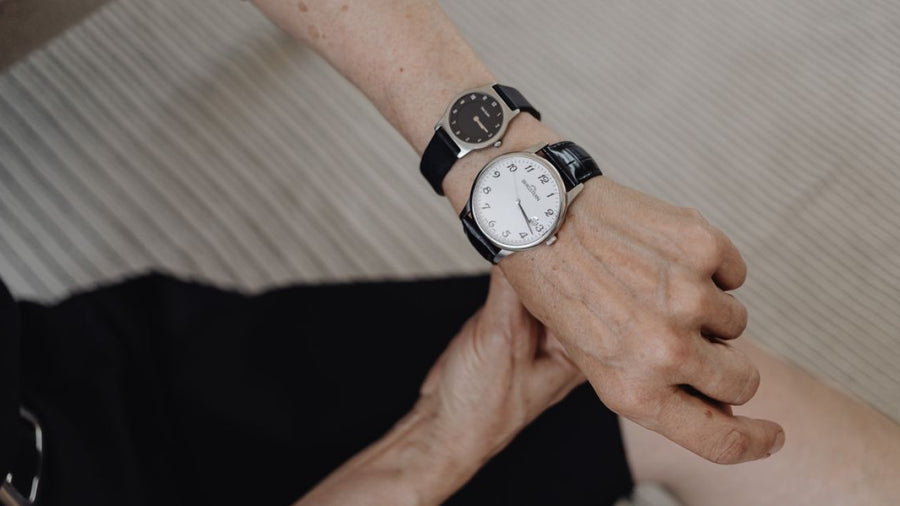
- Thin-strap models: Thick straps can make the wrist look narrower than it actually is; thin straps create a more balanced silhouette.
- Oval or small round dials: These offer a much more harmonious look on narrow wrists compared to large square or rectangular dials.
- Leather straps: These sit more comfortably on narrow wrists than metal bracelets, eliminating the issue of the watch sliding or rotating.
- Minimalist designs: Simple dials and thin lines easily fit into both day and night outfits.
Which Case and Strap Combination Suits You?
| Feature | Recommended for Narrow Wrists | To Be Avoided |
|---|---|---|
| Case Size | Between 32-38 mm | Large cases of 40 mm and above |
| Strap Type | Thin leather strap | Thick metal bracelet |
| Dial Shape | Oval, small round | Large square, rectangular |
| Design | Minimalist, simple | Overly detailed, heavy case |
A watch chosen with attention to these criteria adds elegance not just to your wrist, but to your entire style.
Which Case and Strap Type Should Be Preferred for Wide Wrists?
For people with a wrist circumference of 18 cm and above, the first rule in choosing a watch is not letting the dial get lost on the wrist. While thin and small-structured models become invisible on wide wrists, more prominent and thick-cased designs offer a much more satisfying result both aesthetically and in terms of posture.
Why Is Dial Size So Important?
A small dial on a wide wrist creates disproportion and causes the watch to look "lost." For this reason, models with larger and fuller dials should be preferred.
What Should You Pay Attention to When Choosing a Strap?
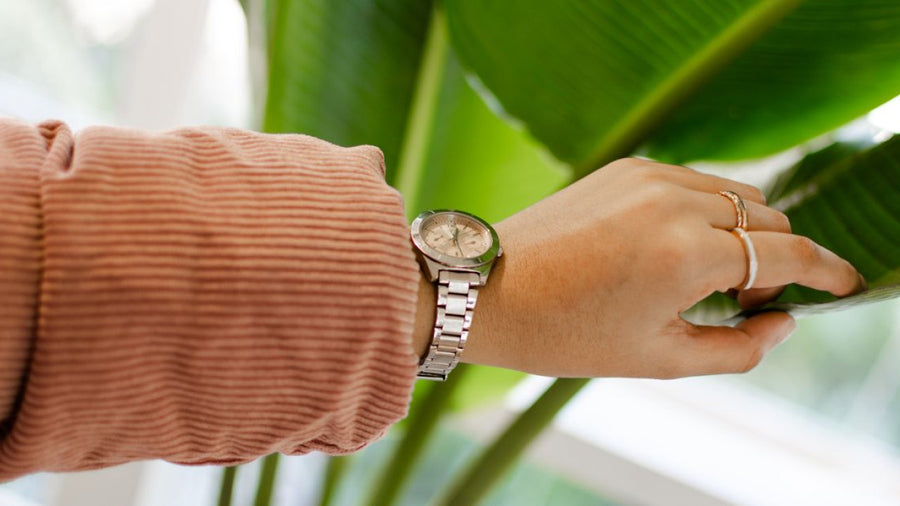
- Metal bracelets: Wide and sturdy steel bracelets provide both an elegant and durable look on wide wrists.
- Thick leather straps: The natural leather texture and width create a balance in harmony with the wrist.
- Avoid narrow straps: The disproportion between a thin strap and a wide wrist causes the watch to look smaller than it actually is.
Which Dial Designs Are More Suitable?
Multi-indicator, full, and flamboyant dial designs like chronographs present a quite balanced look on wide wrists. Such models become an ideal choice for wide-wristed users in terms of both functionality and visual harmony.
| Feature | Suitable for Wide Wrists | Not Suitable for Wide Wrists |
|---|---|---|
| Case Size | Thick and prominent | Thin and small |
| Strap Type | Wide metal bracelet / thick leather | Narrow leather or woven strap |
| Dial Design | Chronograph, full design | Simple, minimal dial |
Is There a Difference in Measurement Between Women's and Men's Wrists?
According to general statistics, women's wrists measure on average between 14-17 cm, while men's wrists range between 16-20 cm. However, these figures only reflect a general tendency; they are not a definitive rule for your own wrist. Since everyone's bone structure, muscle ratio, and genetic characteristics differ, it isn't realistic to draw a clear line saying "women's wrists are like this, men's wrists are like that."
Why Should Personal Measurement Take Priority Over Gender?
With the growing popularity of unisex designs today, personal wrist measurement and style preference come to the forefront in case diameter selection rather than gender. When buying a watch, the right question to ask yourself is no longer "is this a men's or women's model" but rather "does this case fit my wrist."
| Wrist Type | General Tendency | Suitable Case Diameter |
|---|---|---|
| Man with narrow wrist | Around 16-17 cm | 34-36 mm |
| Man with standard wrist | Around 18-19 cm | 38-40 mm |
| Woman with wide wrist | 16-17 cm and above | Over 40 mm |
| Woman with narrow wrist | Around 14-15 cm | 28-32 mm |
As you can see from the table, just as a 34-36 mm case is as accurate a choice for a man with a narrow wrist, a case of over 40 mm can be just as correct a choice for a woman with a wide wrist. What matters is not gender, but the actual measurement of your wrist.
- Note down your wrist measurement in centimeters.
- Determine the case diameter based on this measurement, not the gender label.
- Include unisex models in your evaluation list as well.
When choosing a watch, focusing on your own measurement and style rather than gender labels allows you to make a much more accurate decision.
How Should Strap Length Be Adjusted According to Wrist Measurement?
As much as choosing a watch suitable for your wrist width, adjusting the strap correctly is also critically important for comfortable use. Although the adjustment method varies according to the strap material, the goal is always the same: finding the balance that doesn't squeeze your wrist while keeping the watch stable.
How Is Adjustment Done for Leather Straps?
Adjustment for leather straps is quite practical. You can find the point that sits most comfortably on your wrist by trying different holes in the buckle. Since there is usually a difference of a few millimeters between each hole, it's not difficult to determine the ideal point with a few tries.
Adjustment Process for Metal Bracelet Watches
For metal bracelets, the situation becomes a bit more technical. You may need a special tool or the help of a watchmaker to remove excess links or add missing ones. While this process can be done carefully at home, getting professional support is also a wise choice to avoid damaging sensitive mechanisms.
| Strap Type | Adjustment Method | Difficulty Level |
|---|---|---|
| Leather Strap | Changing buckle hole | Easy |
| Metal Bracelet | Removing/adding links | Medium-Hard |
What Are the Signs of the Right Adjustment?
- A strap that is too tight causes skin irritation, while one that is too loose causes the watch to rotate on the wrist and the dial to change direction.
- The ideal adjustment is the point where a finger can comfortably fit between the strap and the wrist, but the watch doesn't wobble.
Finally, What Should You Pay Attention to When Choosing the Right Watch?
By evaluating your wrist measurement, case diameter, and strap type together, you can determine the model most suitable for you in terms of both aesthetics and comfort. Looking at the case diameter alone is not enough; the material and width of the strap also directly affect how the watch sits on your wrist.
What You Need to Check Before Buying
- Measure your wrist circumference in centimeters and write it down.
- Compare the case diameter and strap length information on the product page with this measurement.
- Remember that leather, steel, and rubber straps create different volumes on the wrist.
- Also take the total weight of the watch into account; lighter models sit more comfortably on narrow wrists.
Making these checks before purchasing prevents you from experiencing surprises when the watch reaches your hands; you guarantee both visual harmony and all-day comfort from the very start.
What Can You Rely On During the Trial and Decision Process?
If you'd like to see a wide range of options in different styles, brands, and case sizes, you can check out watch models suitable for your wrist measurement. Thanks to fast shipping within Turkey and easy return options, you also have the chance to try different models until you find the right fit. This flexibility allows you to make bold choices in selecting a watch while also finding the model that truly suits your style.
Frequently Asked Questions
How do I measure my wrist size before buying a watch?
Wrap a flexible tape measure or a strip of paper around your wrist just below the bone, then measure the length in centimeters or inches. This measurement helps you determine the correct watch case size and band length for a comfortable fit. Adding a small buffer, about 1-2 cm, ensures the strap isn't too tight.
What watch case size fits a small wrist best?
For wrists under 6.5 inches, a case size between 34mm and 38mm typically looks proportionate and comfortable. Larger cases can overwhelm smaller wrists and make the watch feel bulky or unbalanced. Choosing a slimmer profile also helps the watch sit naturally without slipping around.
Can a large watch face work on a small wrist?
Yes, but it depends on the lug-to-lug distance rather than just the case diameter, since a shorter lug span keeps the watch from overhanging the wrist. Slim bezels and curved lugs can also make a larger face appear more balanced on a smaller wrist. Trying the watch on in person is the best way to confirm the fit looks right.
Does wrist size affect the type of watch strap I should choose?
Yes, thinner wrists generally pair better with narrower straps, while broader wrists can carry wider bands without looking mismatched. Leather and mesh straps tend to adjust more precisely than fixed-link metal bracelets, making them a flexible option for in-between sizes. Choosing the right strap width also helps maintain overall proportion with the watch case.
What's the ideal watch size for a men's versus women's wrist?
Men's watches typically range from 38mm to 44mm, suiting average male wrist sizes of 6.5 to 8 inches, while women's watches often range from 28mm to 34mm for wrists between 5.5 and 6.5 inches. These are general guidelines, though, and the right choice ultimately depends on personal wrist measurement and style preference rather than gender alone.