Perfume Selection Guide: The Art of Finding a Scent That Reflects Your Personality
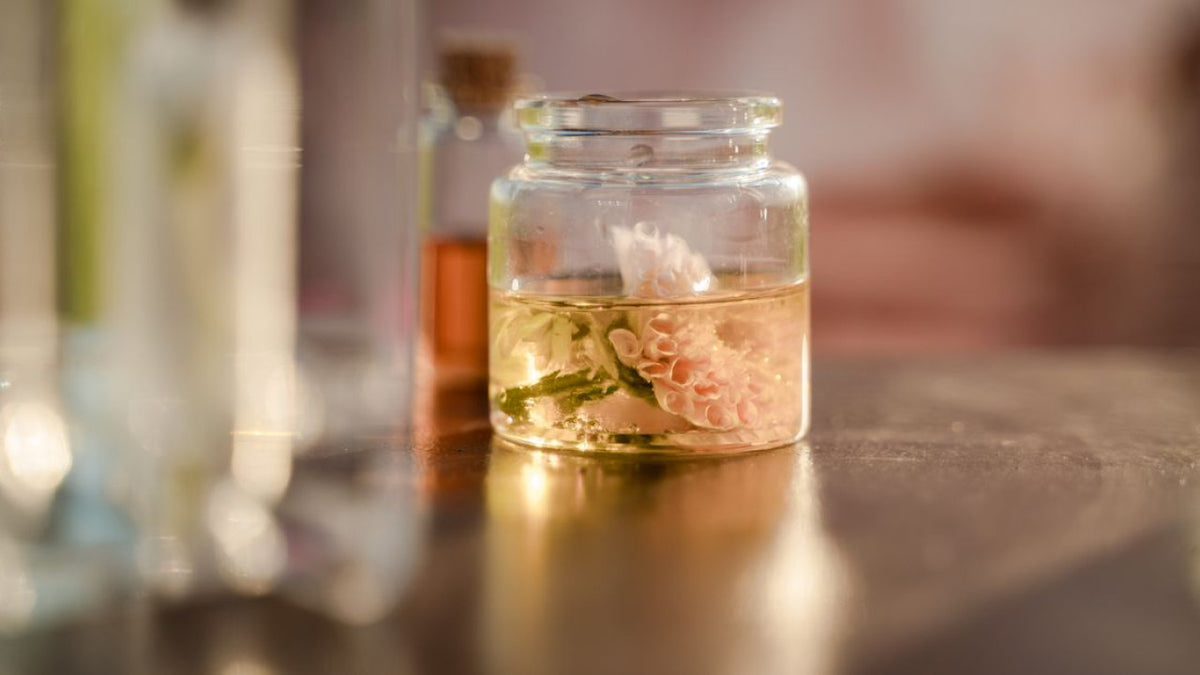
Choosing the right perfume requires considering your personality, lifestyle, and skin chemistry when selecting based on fragrance family, concentration, and season. The healthiest approach is to test the perfume on your skin for at least half an hour before making a decision.
What Should You Consider When Choosing a Perfume?
Finding the right perfume, just like discovering that perfect piece in your wardrobe, requires patience and some awareness. Remember that fragrance is part of your style identity just like your clothing and accessory choices; therefore, you should not rush the selection process.
How Does Your Skin Chemistry Change Fragrance?
The same perfume can smell completely different on two different skin types. Your skin's pH balance, oil content, and even eating habits directly affect how the perfume develops. This is why a fragrance you love on a friend may not have the same effect on you. When testing a perfume, you must always try it on your own skin, not just on your wrist or hand.
Day or Night? Selection Based on Intensity
- Daytime use: Light, fresh, and non-intrusive Eau de Toilette intensity fragrances are ideal for the office and daily life.
- Evening and special occasions: More intense, lasting Eau de Parfum or Parfum concentrations create a distinctive signature that complements your style.
Don't Tire Your Nose During Testing
While it may be tempting to try dozens of fragrances while browsing in a store, your nose begins to lose distinction after the third fragrance. Limit yourself to a maximum of 2-3 perfumes, and rest your nose by smelling coffee beans between fragrances or taking a few minutes break.
Don't Forget the 30-Minute Rule
The fragrance you smell immediately after spraying is only the top note of the perfume. The heart and base notes that appear 30 minutes after touching your skin reflect the perfume's true character. Waiting for this period before purchasing is the most guaranteed way to avoid regret. For those who think about style holistically, a guide to choosing a perfume that reflects your personality can guide you through this process. Those who want to coordinate their fragrance with their clothing and accessories as a cohesive whole can explore the personal style experience offered by The Clique.
Which Fragrance Families Reflect Which Personalities?
A perfume is actually a silent continuation of the clothing you wear and the accessories you wear. Just as you reflect your style when choosing pieces in your wardrobe, when determining a fragrance family, you need to think about which aspects of your personality you want to emphasize.
| Fragrance Family | Personality It Reflects |
|---|---|
| Floral notes | An elegant and romantic demeanor |
| Oriental fragrances | Mysterious, powerful, and ambitious character |
| Woody family | Calm, confident, and sophisticated style |
| Citrus and fresh fragrances | Energetic, modern, and youthful spirit |
How Do You Match Your Fragrance with Your Style?
Floral notes add elegance when paired with flowing dresses and delicate accessories. Oriental fragrances create an ambitious silhouette with dark-toned, dramatically cut pieces. While woody notes harmonize with a minimalist and chic wardrobe, citrus tones complement everyday elegance and youthful energy.
If you want to transform your style identity into a comprehensive experience, it works to think about your fragrance together with the clothing and accessories you've chosen; on this subject, our guide on choosing a perfume that reflects your personality can guide you. This way, both the fragrance you wear and the one you carry become different reflections of the same character, and creates a wholeness that complements your understanding of a luxury lifestyle.
What is the Difference Between EDP, EDT, and Perfume?
The intensity you feel when smelling a fragrance from the bottle versus the trace that remains on your skin hours later doesn't actually measure the same thing; it measures the concentration ratio. The fundamental difference between Perfume, EDP, and EDT stems from the percentage of fragrant oils they contain, and this ratio determines both its longevity and the strength of the fragrance's diffusion. The right choice works like an invisible accessory that complements your style.
Comparison Based on Concentration
| Type | Fragrant Oil Percentage | Longevity | Recommended Use |
|---|---|---|---|
| Extrait (Pure Perfume) | 20-40% | 8-12 hours and more | Special occasions, evening use |
| EDP (Eau de Parfum) | 15-20% | 6-8 hours | Daily and work life |
| EDT (Eau de Toilette) | 5-15% | 3-5 hours | Summer months, office environment |
Which Formula is Right for You?
- Extrait (Pure Perfume): The most intense and longest-lasting form; applied drop by drop, it is destined to become your signature fragrance.
- EDP (Eau de Parfum): A balanced choice for daily use; both lasting and understated.
- EDT (Eau de Toilette): A lighter and fresher alternative; preferred on hot days or when you want to leave a subtle trace.
When selecting your fragrance, you should treat it the same way you carefully consider every piece in your outfit; in fact, choosing a perfume that reflects your personality and determining the right concentration is the first step in maintaining the integrity of your style identity.
What Are the Standout Trends in Men's and Women's Perfumes?
In the 2026 season, perfume preferences are no longer just a fragrance choice, but are being shaped as a complementary part of your style. For those who adopt a holistic understanding of style extending from clothing to watches, bags to fragrances, it is important to follow trends closely.
Woody and Spicy Notes in Men's Fragrances
Woody and spicy notes are the most prominent trend this season in men's fragrances. Notes like sandalwood, vetiver, and cardamom have become the choice of men seeking a strong yet sophisticated demeanor. These fragrances, especially in professional settings and evening events, create a balanced charisma.
Floral-Fruity Combinations in Women's Fragrances
In women's fragrances, floral-fruity combinations are standing out. These compositions with notes like peach, jasmine, and pink pepper offer a versatile elegance suitable for both daytime and evening wear.
Unisex Perfumes and the Rise of Niche Brands
- Unisex perfumes eliminate gender boundaries and bring personal preference to the forefront.
- Niche brands support individual style by offering personalized fragrance experiences away from mass production.
All these trends show that fragrance selection should now be considered together with your clothing and accessory choices. In fact, choosing a perfume that reflects your personality becomes an invisible yet effective signature that completes your entire appearance.
How Do You Choose Perfume by Season?
Your fragrance should undergo a seasonal transition just like your wardrobe. Just as you don't carry a winter coat into summer, wearing a heavy oriental perfume on warm days contradicts your style. The right fragrance should share the same spirit as the clothing you wear in the right season.
Summer: Light and Citrus-Dominant Notes
In hot months, perspiration and humidity make fragrance feel more intense, so light, refreshing, and citrus-dominant perfumes should be preferred. Bergamot, lemon, and aquatic notes leave both a vibrant and elegant impression.
Winter: Oriental and Spicy Depth
In cold weather, the slower diffusion of fragrance molecules facilitates the preference for oriental, woody, and spicy perfumes. Vanilla, cinnamon, and amber notes create a warm character in harmony with winter coats and sweaters.
Spring-Fall Transition: Floral-Woody Balance
During seasonal transitions, neither a very light nor very heavy fragrance works. During this period, balanced floral-woody compositions are the best choice for adapting to changing weather.
Intensity Adjustment by Location
- Office: Low-intensity, non-intrusive light fragrances should be preferred.
- Events/evening: More intense, lasting perfumes complement your style.
- Daily use: Balanced, non-overpowering fragrances are ideal.
For those who think about their style holistically, fragrance selection is not independent of your clothing and accessory decisions; in fact, our detailed guide on choosing a perfume that reflects your personality explains how to build this wholeness.
What Are the Ways to Increase Perfume Longevity?
Finding the right perfume is half the battle; being able to carry that fragrance throughout the day is the real art. From your skin's structure to application points, a few small details determine whether the same perfume will last two hours or eight hours on you.
Why Is Your Skin's Moisture Content Important?
Skin with high moisture content holds fragrance longer on a molecular level. On dry skin, perfume evaporates much faster because it doesn't have a surface to cling to. Therefore, preparing your skin before spraying directly affects the lifespan of the fragrance.
What Preparation Should Be Done Before Application?
- Vaseline or moisturizer applied to the area slows down the evaporation rate of the perfume and allows the notes to be felt for a longer period.
- Applying perfume to moist skin yields much more lasting results than on dry skin.
Where Is Application More Effective?
- Pulse points — areas like the wrists and neck are where body heat is highest and help the fragrance develop over time.
- Spraying lightly on hair allows the fragrance to diffuse throughout the day with movement; however, on perfumes with high alcohol content, distant application is necessary to avoid damaging the hair.
The longevity of a fragrance is as important as how well that fragrance integrates with your personal style. At The Clique's luxury lifestyle experience, fragrance becomes an identity element thought of together with clothing and accessory choices; if you wish, you can check out our guide on choosing a perfume that reflects your personality. To discover this holistic approach, you can browse the collections at theclique.shop.
What Determines Perfume Prices?
The number on a perfume bottle's price tag is actually shaped by the combination of multiple factors. Knowing the dynamics that determine the price will help you make the right choice.
How Does the Rarity of Fragrance Notes Affect Price?
Raw materials like oud, saffron, iris root, or rare jasmine extract are both difficult to obtain and quite expensive. Perfumes containing natural and rare notes always come with higher price tags compared to synthetic alternatives.
How Does Brand Prestige and Bottle Design Reflect in the Cost?
Brands with long-standing heritage, perfumery tradition, and handcrafted bottle designs reflect this value in their pricing. Crystal bottles, special cap details, and packaging quality are factors that directly increase costs.
How Does Concentration Ratio Change Price?
As the proportion of perfume oil increases, the price rises accordingly:
- Eau de Cologne: Low concentration, most economical choice
- Eau de Toilette: Medium intensity, affordable price range
- Eau de Parfum: High concentration, more lasting and valuable
- Perfume (Extrait): Most intense form, highest price segment
Why Are Limited Edition Products More Valuable?
Collection pieces and limited edition bottles can become sought-after items among collectors over time. Such products, like a specially designed handbag or watch, add an exclusive touch to your personal style; when choosing the right perfume that reflects your personality, you shouldn't overlook this detail.
How Do You Integrate the Right Perfume with Your Style?
A perfume is part of your identity as much as the clothing on your body or the bag in your hand. Your fragrance should be in harmony with your clothing and accessory choices; otherwise, your style won't feel cohesive. If you prefer a minimalist silhouette, a simple and clear fragrance complements you; if you love layered and textured combinations, a more complex, lasting perfume completes you.
How Is the Connection Between Your Style Identity and Fragrance Established?
Personal style consulting can be a guide not just in clothing and accessory selections, but also in fragrance choice. A style consultant can analyze the color palette in your wardrobe, your fabric preferences, and your overall aesthetic language, and while determining the fragrance family that suits you, can also recommend this as part of that whole.
- If you're someone who loves warm and earthy tones, oriental or woody notes suit you.
- If you prefer pastel and delicate pieces, floral, light fragrances support your style.
- If you wear sharp and modern cuts, citrus-dominant, fresh perfumes reflect you.
When choosing a women's perfume and paying attention to details that reflect your personality, you can consult a guide to choosing a perfume that reflects your personality; this guide helps you match fragrance notes with personality characteristics.
The final step is selecting the pieces that will carry this fragrance. You can find elegant pieces and accessories that complement your fragrance in The Clique's carefully curated collection; this way, every detail of your style tells the same story from head to toe.
Frequently Asked Questions
How do I choose a perfume that matches my personality?
Start by identifying your preferred scent families—fresh, floral, oriental, or woody—that resonate with your lifestyle and temperament. Test perfumes on your skin rather than on paper strips, as body chemistry affects how a fragrance develops throughout the day. Consider which scent notes (top, middle, and base) align with your personality traits: citrus for energetic people, florals for romantic types, and woody scents for sophisticated individuals.
What's the difference between perfume, eau de parfum, and eau de toilette?
Perfume (parfum) contains the highest concentration of fragrance oils at 20-30%, making it the most potent and long-lasting option. Eau de parfum (EDP) has 15-20% fragrance concentration and typically lasts 4-6 hours, while eau de toilette (EDT) contains only 5-15% oils and is lighter and fresher. Choose perfume for evening or special occasions, EDP for daily wear, and EDT if you prefer subtle scents or have sensitive skin.
How should I test perfume before buying?
Always test perfume on clean skin, preferably on your inner wrist or neck where the scent develops naturally over time. Avoid testing multiple fragrances at once, as this overwhelms your sense of smell; wait at least 15-20 minutes between tests. Give each perfume at least 5-10 minutes to fully develop on your skin before deciding, as the top notes fade and the heart notes emerge, which is when you'll experience the true scent profile.
What perfume scents work best for different seasons?
Light, fresh, and citrus-based perfumes are ideal for spring and summer, while warm, spicy, and oriental fragrances suit fall and winter seasons. During hot months, opt for fruity or aquatic scents that feel refreshing and won't feel overwhelming, whereas cooler months call for deeper, muskier, and woody perfumes that complement heavier clothing. You can also adjust the amount of perfume you apply seasonally to maintain the right balance.
How can I make my perfume last longer throughout the day?
Apply perfume to pulse points like your wrists, neck, behind ears, and inner elbows, where body heat helps the scent diffuse and develop better. Moisturize your skin before applying perfume, as hydrated skin holds fragrance longer than dry skin. Consider using a fragrance-free or matching scented lotion as a base, layering a body spray with your perfume, or applying a higher concentration formula like eau de parfum instead of eau de toilette for extended longevity.