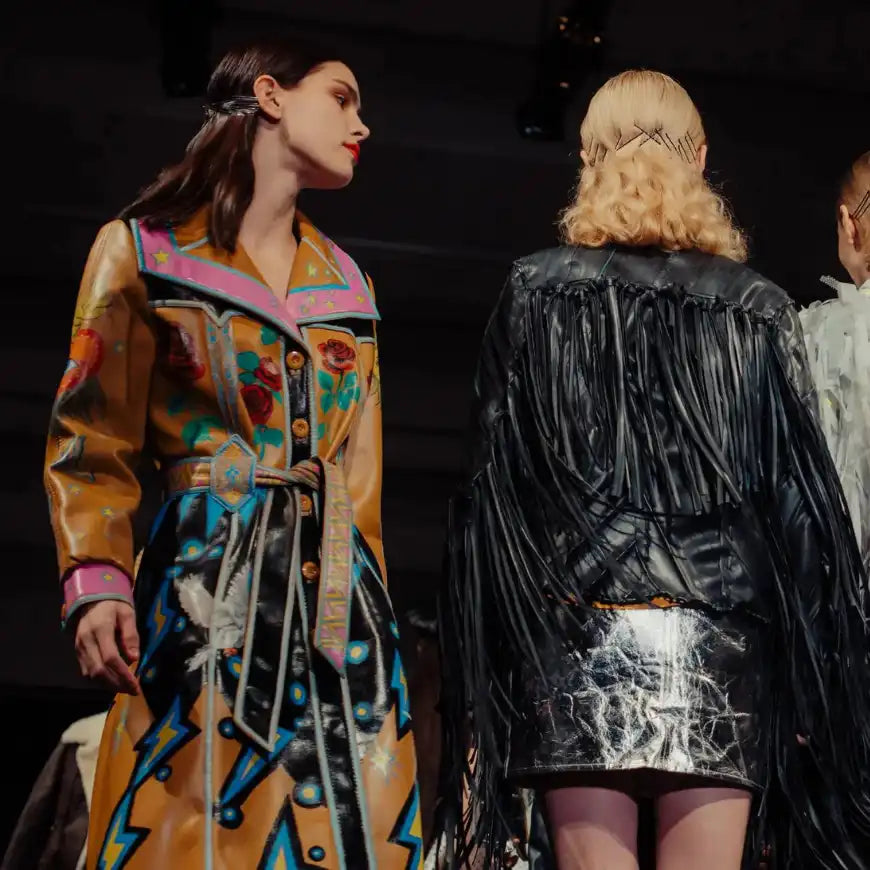
Discover Your Style with Inspiring Dress Pictures
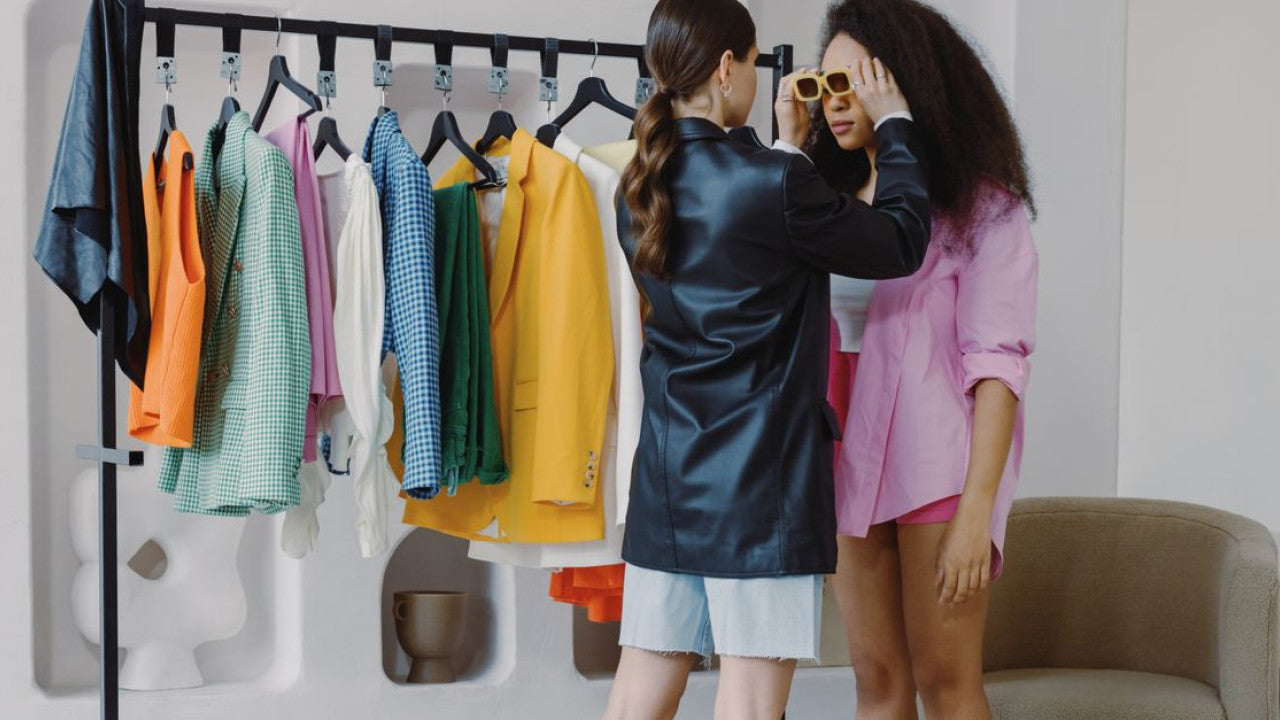
Dress images let you compare different cuts, colors, and fabric combinations side by side, helping you find the style that suits you best. By exploring silhouette-flattering designs, season-appropriate fabrics, and trending colors through these visuals, you can make far more informed shopping decisions. In short, looking at the right dress images is the most practical way to shape your wardrobe.
How Do Dress Images Shape Your Style Decisions?
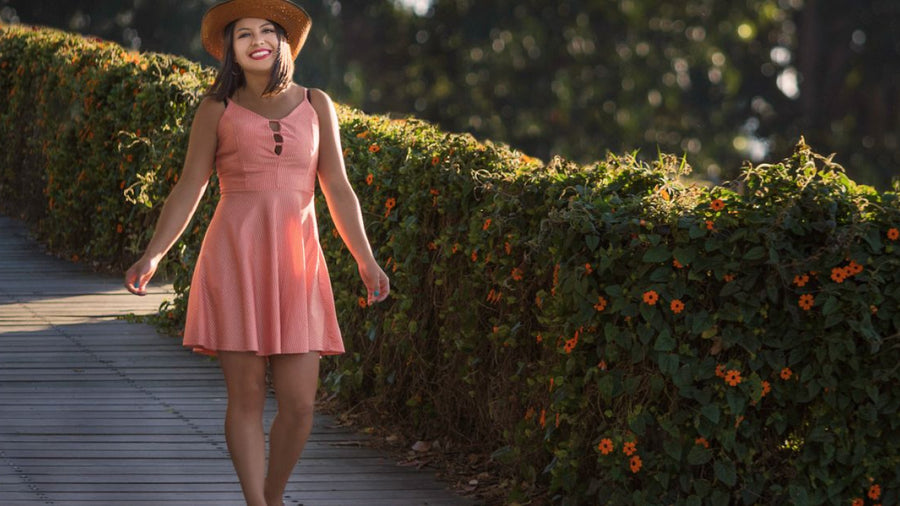
Before buying a dress, you'll want to see how it falls, which body line it highlights, and which shoes or accessories would complete the look — and this is exactly where dress images come into play. By comparing different cut, color, and pattern combinations through visuals, you can pinpoint the choice that best matches your personal style. If you're unsure about which cut best flatters your body line, our guide on choosing a dress based on your body type can point you in the right direction.
The Visual Way to Follow Trends
The dress photos you come across on fashion platforms, social media, and e-commerce sites are the fastest way to keep up with seasonal trends. Seeing how a style looks on different sizes and body types significantly reduces the risk of making the wrong choice when purchasing.
What Should You Pay Attention to When Looking at a Photo?
When examining dress images, you shouldn't focus only on the visual's aesthetics — you should also pay attention to the following details:
- The drape of the fabric: Shows how the dress moves on the body.
- Stitching details: Gives clues about quality and structure.
- The model's pose: Makes it easier to predict how the dress will actually look on you.
| Detail to Look For in the Image | What It Tells You |
|---|---|
| Fabric drape | Sense of movement and comfort |
| Cut line | How well it suits your body shape |
| Color and pattern | How well it fits into an outfit |
By paying attention to these details, you can turn every photo you browse into a reference point for your own wardrobe; this perspective makes your choices far more accurate when browsing dress collections.
Which Dress Styles Stand Out in 2026?
When you look at the dress images for the 2026 season, a common language stands out: soft draped fabrics, natural cuts, and minimalist details. Overly elaborate embellishments are fading into the background, replaced by elegant, understated, and fluid lines. This shift brings a more relaxed feel to both everyday chic and special-occasion elegance.
How Is the Color Palette Shaping Up?
Here are the colors you'll see in your wardrobe this season:
- Earth tones
- Pastel greens
- Classic black
- Vivid coral
- Saffron yellow
Alongside neutral tones, bold colors are becoming a wardrobe staple as well, adding a more personal touch to your outfits.
Which Fabrics and Cuts Are Preferred?
When it comes to fabric choice, linen, satin, and organic cotton blends stand out in both everyday and eveningwear dress styles. Midi-length dresses continue to be the most popular category this season, offering both elegance and comfort at once. These body-skimming yet non-restrictive cuts promise practical elegance that can carry you from morning to night.
If you want to restyle your outfits according to this new seasonal approach, you can find inspiration in our tips on comfortable and chic casual dress choices. To blend trending colors and fabrics with your own personal style, exploring The Clique's collections can also give you a fresh perspective.
Which Dress Cut Makes You Look More Stylish Based on Your Body Type?
Every body type has a cut that flatters it best; when you choose the right dress, you'll feel more comfortable and your posture will naturally look more elegant. When looking at dress images, you shouldn't focus only on the color or pattern — you should also pay attention to how the cut aligns with your body's lines. The right cut creates a visual transformation far more effective than losing weight.
Comparison of Dress Cuts by Body Type
| Body Type | Recommended Dress Cut | Detail to Avoid |
|---|---|---|
| Pear | A-line, empire waist | Pleats that add volume at the hips |
| Apple | Wrap dress | Belts that cinch the waist area |
| Hourglass | Body-hugging midi dress | Loose and shapeless cuts |
| Rectangle | Gathered dress with waist detail | Flat, volume-less fabrics |
What Should You Pay Attention to When Choosing a Cut?
- Choose details that highlight the part of your body you like most.
- The drape of the fabric is as important as the cut itself; stiff fabrics can exaggerate volume.
- Whether you're short or tall affects the ideal skirt length as well.
Choosing the right cut for your body type is especially important when shopping for evening and formal dresses; if you'd like more detailed information on this, you can check out our guide to choosing an evening dress based on body type.
What Mistakes Should You Avoid When Drawing Inspiration from Dress Images?
While drawing inspiration from visuals can be an enjoyable process, overlooking certain details can negatively affect your choices. Here are the most common mistakes and how you can avoid them.
Ignoring Fabric Quality and the Size Chart
One of the most common mistakes is getting caught up in the aesthetics of the image and deciding without examining the fabric quality and size chart. Not every brand uses the same sizing standard, which is why you should always check the measurement chart on the product page for the dress you like. Checking a guide prepared on choosing a dress based on body type can also make this process easier for you.
Falling for Lighting and Color Illusions in Photos
Being influenced by the lighting and posing advantages in a photo and overlooking the dress's true color tone can lead to disappointment once the item arrives. That's why you should always check the color information in the product description as well.
Not Factoring in the Balance of Accessories and Shoes
Focusing solely on the dress without considering the balance of accessories and shoes weakens the overall cohesion of your outfit. Taking note of the complementary pieces in the image that inspired you helps create a more consistent style.
| Common Mistake | Correct Approach |
|---|---|
| Looking only at the image | Examining the fabric and size chart |
| Trusting the photo's lighting | Checking the color information in the product description |
| Focusing only on the dress | Planning accessory and shoe coordination |
By paying attention to these details, you can turn inspiring visuals into a real style plan, and happily discover the pieces that best suit your style within The Clique's collections.
Which Type of Dress Should You Choose for Everyday Wear, Office, or Special Occasions?
As you'll notice while browsing dress images, the right choice largely depends on what kind of setting you're dressing for. Shaping your fabric, cut, and color preferences according to the occasion makes your style look both comfortable and cohesive.
What Should You Pay Attention to for Everyday Wear?
For the hustle and bustle of daily life, comfortably cut dresses made from linen or cotton fabrics are ideal for you. These fabrics absorb sweat, don't irritate the skin, and offer a stylish look throughout the day. You can find practical tips on how to style these kinds of pieces in our guide full of inspiration for comfortable and chic outfits.
Which Details Should Stand Out for the Office?
In a professional setting, simple patterns, a below-the-knee length, and neutral colors should be the priority. Completing the dress with a blazer or a short cardigan adds both professionalism and elegance.
What Should You Look for in Evening and Formal Dresses?
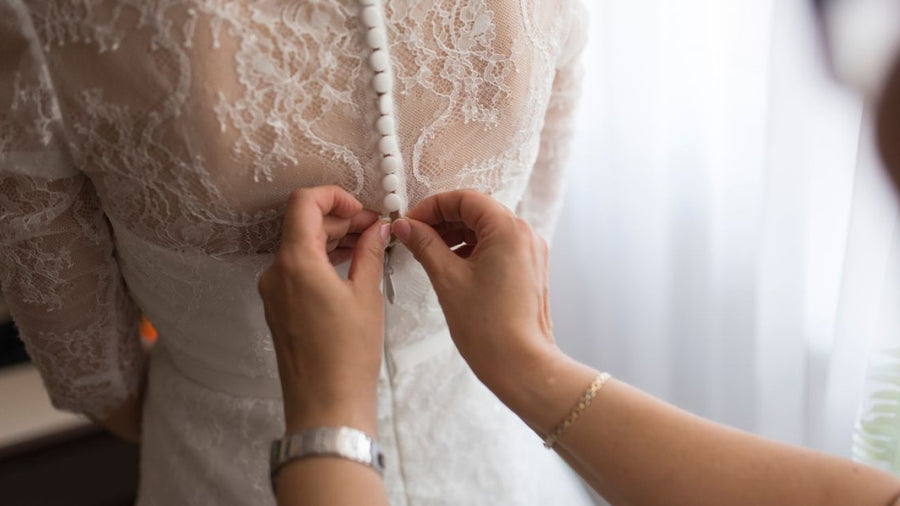
For special occasions, fabrics like satin, tulle, or lace stand out. Body-hugging cuts, paired with carefully chosen accessories, can make you the star of the night.
| Setting | Recommended Fabric | Standout Detail |
|---|---|---|
| Everyday | Linen, cotton | Comfortable cut |
| Office | Neutral-toned fabrics | Below-the-knee length, blazer |
| Special occasion | Satin, tulle, lace | Body-hugging cut |
Anyone looking to compare fabrics and cuts suited to their setting in order to find the right dress can discover the piece that best matches their style by browsing our extensive dress collection.
What Should You Pay Attention to Regarding Price, Shipping, and Returns When Shopping for a Dress?
Before adding a style you love from dress images to your cart, you need to evaluate your purchase decision based not just on visual appeal, but also on price, shipping, and return conditions. These three factors are the invisible yet most critical parts of the shopping experience.
How Do You Strike the Right Price-to-Performance Balance?
The cheapest option isn't always the most advantageous one. When evaluating price, you should review the following points together:
- Fabric quality: Does the drape, breathability, and durability match the price?
- Stitching workmanship: Are the lining, seam allowances, and details carefully finished?
- Brand reliability: What do the seller's customer reviews and past sales performance look like?
Why Does Shipping Time Matter So Much?
If you're ordering a dress specifically for a special occasion, shipping time and delivery transparency should be at the center of your planning. Checking the estimated delivery date before ordering helps you avoid last-minute stress. You'll also need enough time to make the right decision when it comes to sizing and choosing a dress suited to your body type.
Why Shouldn't Return and Exchange Conditions Be Overlooked?
Sizing mismatches or color differences between the product received and the image shown on screen are among the most common problems in online dress shopping. That's why you should always read the return policy before purchasing and prefer stores that offer an easy exchange process. For a reliable and transparent shopping experience in this regard, checking out The Clique's dress collection can be a great starting point.
Frequently Asked Questions
Where can I find inspiring dress pictures to discover my personal style?
You can find inspiring dress pictures on fashion blogs, Pinterest boards, and dedicated style websites that curate images by silhouette, color, and occasion. Many retailers also showcase dress pictures in their online catalogs, making it easy to compare different cuts and fabrics. Browsing a variety of sources helps you identify patterns in what you naturally gravitate toward.
How do dress pictures help me choose the right outfit for my body type?
Dress pictures let you see how different necklines, waistlines, and lengths look on various body shapes before you try them on yourself. By studying images of models or real people with similar proportions to yours, you can predict which styles will be most flattering. This visual research saves time and reduces the guesswork of shopping in-store or online.
What should I look for when browsing dress pictures for outfit inspiration?
Focus on details like fabric texture, color combinations, and how the dress moves or fits in different poses. Pay attention to accessories and styling choices shown alongside the dress, as they can elevate a simple design into a complete look. Noting recurring elements you like across multiple pictures will help clarify your personal aesthetic.
Are there specific types of dress pictures for different occasions like weddings or casual outings?
Yes, most fashion platforms categorize dress pictures by occasion, such as formal events, casual daywear, or party looks, making it simple to filter based on your needs. Wedding guest dress pictures often emphasize elegant fabrics and modest cuts, while casual dress pictures highlight comfort and versatility. Searching with occasion-specific keywords narrows down results to the most relevant style inspiration.
Can dress pictures help me stay updated with current fashion trends?
Absolutely, dress pictures from recent fashion weeks, influencer posts, and retailer lookbooks reflect the latest trends in colors, patterns, and silhouettes. Regularly viewing these images keeps you informed about what's popular each season without needing to read lengthy trend reports. This visual approach makes it easier to blend trending elements with your own established style.